

Intra-articular Hip Injections
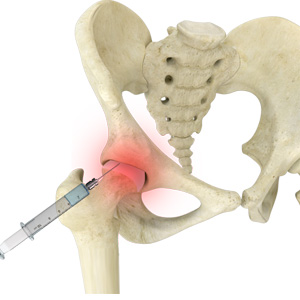
Hip pain that starts deep in the groin or front of the hip can make walking, climbing stairs, putting on shoes, and getting in and out of the car harder than they should be. When pain comes from inside the hip joint itself, an intra-articular hip injection may help calm inflammation, ease pain, and help confirm where your symptoms are coming from.
Michael Van Manen, DO, is a board-certified orthopaedic surgeon in Colorado Springs, Colorado, whose practice emphasizes the treatment of hip and knee conditions, including osteoarthritis. Dr. Van Manen believes in exhausting nonsurgical options before considering joint replacement, and a hip joint injection may be one part of a personalized plan for nonsurgical hip treatment.
If hip pain is limiting your daily activities, you can request an appointment online to find out whether an intra-articular hip injection may be right for you.
What is an Intra-articular Hip Injection?
"Intra-articular" means "inside the joint." An intra-articular hip injection delivers medication directly into the hip joint, the ball-and-socket joint where the head of the thigh bone (femur) fits into the socket of the pelvis (acetabulum). The joint is surrounded by a lining and a capsule, and it sits deep beneath the muscles of the hip and groin.
Placing medication right where the problem is allows it to act on the joint lining and surrounding tissues inside the joint. This is different from medication taken by mouth, which travels throughout the body.
Because the hip joint lies so deep, hip joint injections are commonly performed with imaging guidance, such as ultrasound or fluoroscopy (a type of live X-ray), to help direct the needle accurately into the joint. Your care team will explain how your injection will be performed.
Conditions an Intra-articular Hip Injection May Help
An intra-articular hip injection is most useful when pain is coming from inside the hip joint. Conditions that may be evaluated or treated with a hip joint injection include:
- Osteoarthritis of the hip: Wear of the cartilage that cushions the joint can cause pain, stiffness, and reduced range of motion. An injection may help ease a flare of arthritis pain.
- Inflammatory arthritis of the hip: When the joint lining becomes inflamed as part of a condition such as rheumatoid arthritis, an injection may help reduce local inflammation alongside your overall medical treatment.
- Hip labral tear: The labrum is the ring of cartilage around the rim of the hip socket. Pain from a labral tear may respond to an injection, and an injection can also help show whether the tear is the main source of your symptoms.
- Femoroacetabular impingement (FAI): Bony irregularities of the ball or socket can cause friction and pain inside the joint. An injection of medication into the hip joint may be used to relieve pain and help guide further treatment.
Hip Joint Pain vs. Hip Bursitis
Not all hip pain comes from inside the joint. Hip bursitis is inflammation of a fluid-filled sac (bursa) on the outside of the hip, and it usually causes pain over the side of the hip and upper thigh. Pain from inside the hip joint is more often felt in the groin or the front of the hip.
A bursitis injection is placed into the bursa on the outer hip, not into the joint. An intra-articular injection targets the joint itself. Identifying the true source of your hip pain with a careful examination and imaging helps make sure the right treatment reaches the right place.
The Diagnostic Role of a Hip Joint Injection
Hip pain can be difficult to pin down. Pain from the lower back, the tendons around the hip, or the bursa can feel similar to pain from the joint. A hip joint injection that contains a numbing medication can act as a diagnostic test.
If your usual pain eases significantly in the hours after the injection, this suggests that the pain is coming from inside the hip joint. If your pain does not change, the source may lie elsewhere. This information can help your doctor decide on the next step in your care, including whether surgery on the hip joint is likely to help.
What is in the Hip Injection?
The medication used depends on your diagnosis and treatment goals. A hip joint injection typically contains:
- A corticosteroid: A strong anti-inflammatory medication that may reduce inflammation and pain within the joint.
- A local anesthetic: A numbing medication that may provide quick, short-term pain relief and helps show whether the joint is the source of your pain.
In some cases, other injectable treatments may be discussed. Your doctor will explain what your injection contains, why it is being recommended, and what you can reasonably expect from it.
Who May Be a Candidate?
You may be a candidate for an intra-articular hip injection if:
- You have hip pain that is felt deep in the groin or front of the hip
- Your pain has not improved enough with rest, activity modification, physical therapy, or medications
- Your pain is interfering with walking, sleep, work, or exercise
- Your doctor needs to confirm whether your pain is coming from the hip joint
- You want to stay active while you consider longer-term treatment options, including surgery
An injection may not be recommended if you have an infection in or near the hip, a skin infection at the injection site, a bleeding disorder, or an allergy to any of the medications used. Tell your doctor if you have diabetes, take blood thinners, have had a recent hip injection, or have a hip replacement, as these factors can affect whether and how an injection is performed.
What to Expect
Before the Injection
Your visit will begin with a review of your symptoms and medical history, a physical examination, and a review of any imaging, such as X-rays or an MRI. Bring a list of your medications and any previous imaging reports to your appointment.
You will be told whether you need to adjust any medications, such as blood thinners, before the injection. Do not stop any medication unless your doctor tells you to. Because the local anesthetic can temporarily numb the leg, it may be helpful to arrange for someone to drive you home.
During the Injection
You will usually lie on your back on an examination or procedure table. The skin over the front of the hip is cleaned, and a numbing medication may be used on the skin. Using imaging guidance when needed, the needle is directed into the hip joint and the medication is injected.
You may feel pressure or brief discomfort as the needle enters the joint. The injection itself usually takes only a few minutes. A small bandage is placed over the site afterward.
After the Injection
You may be asked to stay for a short time so your response can be checked. If your injection contains a local anesthetic, your hip may feel numb or noticeably less painful for a few hours.
You may be asked to keep track of your pain level over the first several hours. This record can be very helpful when the injection is being used to confirm the source of your pain.
Recovery and Activity After a Hip Injection
Most people are able to walk out of the office and return to light daily activities soon after the injection. General guidance may include:
- Taking it easy for the rest of the day and for a day or two afterward
- Avoiding strenuous exercise, running, and heavy lifting for a short period, as advised by your doctor
- Using an ice pack on the injection site for short periods if it is sore
- Keeping the bandage clean and dry and following instructions about bathing
When the local anesthetic wears off, your usual pain may return for a short time. If your injection contains a corticosteroid, it may take a few days to start working. Relief varies from person to person. For some patients it may last for weeks or several months, while others notice little improvement. Your response helps guide the next steps in your treatment plan.
Possible Risks and Side Effects
An intra-articular hip injection is generally considered a low-risk procedure, but as with any medical procedure, side effects and complications can occur. These may include:
- Temporary soreness, bruising, or discomfort at the injection site
- A temporary increase in hip pain for a day or two after the injection (sometimes called a steroid flare)
- Temporary numbness or weakness in the leg from the local anesthetic
- Facial flushing
- A temporary rise in blood sugar levels, which is especially important if you have diabetes
- Infection, which is rare
- Bleeding
- An allergic reaction to the medication
Repeated corticosteroid injections may affect the tissues of the joint over time, so your doctor will typically limit how often injections are given. If you are considering hip replacement surgery, let your surgeon know about any recent hip injections, as the timing between an injection and surgery may matter.
Contact your doctor promptly if you develop fever, increasing pain, redness, warmth, or swelling around the hip after an injection.
How a Hip Injection Fits into Your Treatment Plan
An intra-articular hip injection is rarely a stand-alone treatment. It is usually one part of a broader plan that may include activity modification, therapeutic exercise and physical therapy, weight management when appropriate, and medications. For many patients, a period of reduced pain after an injection makes it easier to take part in physical therapy and stay active.
For patients with arthritis, an injection may help manage symptoms, but it does not cure arthritis or reverse joint damage. If advanced arthritis continues to cause persistent pain and limited function despite conservative care, joint replacement, such as total hip replacement or anterior hip replacement, may be discussed.
Why Choose Dr. Michael Van Manen, DO for Intra-articular Hip Injections in Colorado Springs?
Dr. Michael Van Manen is a board-certified orthopaedic surgeon with Colorado Springs Orthopaedic Group whose practice emphasizes the treatment of osteoarthritis of the hip and knee. His approach focuses on treating the whole person, not just the painful joint, and on educating and guiding patients through all treatment options that are tailored to them.
Because Dr. Van Manen treats hip conditions with both nonsurgical and surgical care, he can help you understand where an injection fits within your overall plan, whether the goal is pain relief, confirming the source of your pain, or deciding if and when surgery may be appropriate.
Intra-articular Hip Injections FAQs
Does a hip joint injection hurt?
Most people feel pressure and brief discomfort during the injection. A numbing medication may be used on the skin first, and the procedure usually takes only a few minutes.
How soon will I feel relief after a hip injection?
If your injection contains a local anesthetic, you may notice relief within minutes that lasts a few hours. A corticosteroid may take a few days to start working. The amount and duration of relief vary from person to person.
How long does a hip joint injection last?
Relief differs from patient to patient. Some people may experience relief for weeks or several months, while others notice little change. How you respond helps guide the next steps in your treatment plan.
Can I have more than one hip injection?
Injections may be repeated in some cases if they have helped. Because repeated corticosteroid injections may affect joint tissues, your doctor will typically limit how often they are given and may recommend other treatments if relief is short-lived.
Can I drive home after a hip injection?
The local anesthetic may temporarily numb your leg or affect how it feels. It may be helpful to arrange for someone to drive you home after your injection.
Will a hip injection help me avoid hip replacement surgery?
An injection may help manage symptoms and keep you active, but it does not reverse joint damage. Some patients achieve satisfactory relief with conservative care, while others may eventually need surgery if symptoms persist or arthritis progresses.
Schedule an Intra-articular Hip Injection Consultation in Colorado Springs
Persistent hip pain does not have to limit your mobility and quality of life. An orthopaedic evaluation can help identify the source of your pain and determine whether an intra-articular hip injection or another treatment may be appropriate for you
To learn whether total hip replacement in Colorado Springs may be appropriate for you, schedule an orthopaedic consultation with Dr. Van Manen. Colorado Springs Orthopaedic Group can be reached at (719) 632-7669(719) 632-7669 for appointments.
Dr. Michael Van Manen sees patients at Colorado Springs Orthopaedic Group locations on Briargate Parkway and Quail Lake Loop in Colorado Springs, Colorado. To schedule an evaluation, call (719) 632-7669(719) 632-7669, request an appointment online, or visit the practice locations page for directions.
Schedule an Appointment
Our team is here to answer your questions and help you find the right treatment for your condition.