

Revision Hip Replacement

Revision Hip Replacement Surgeon in Colorado Springs, CO
Occasionally, artificial components implanted during total hip replacement can wear out for various reasons and may need to be replaced using a surgical procedure known as revision hip replacement. The procedure involves replacing all or part of the previous implant with a new artificial hip joint. Michael Van Manen, Do provides diagnosis and revision hip replacement surgery in Colorado Springs, CO. Michael Van Manen, Do also provides highly specialized care during and after the surgery. Contact Michael Van Manen, Do’s team for an appointment today!
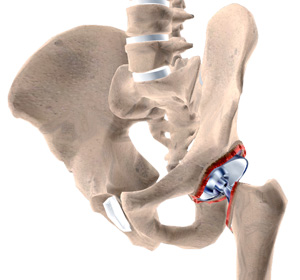
When a previous hip replacement becomes painful, unstable, worn, loose, or otherwise fails to function properly, revision hip replacement in Colorado Springs may be considered. Revision hip replacement is a complex procedure that involves removing and replacing some or all of the components of a previous hip replacement. Because revision surgery can involve changes to the existing implant and surrounding bone and soft tissues, careful evaluation and individualized surgical planning are important.
Michael Van Manen, DO, is a board-certified orthopaedic surgeon serving patients in Colorado Springs with a focus that includes hip and knee conditions, arthritis management, total joint replacement, revision joint replacement, and fracture care. He evaluates patients experiencing problems following hip replacement and can help determine whether revision surgery or another treatment option is appropriate.
If you are experiencing increasing pain, instability, dislocation, implant loosening, wear, infection, or other concerns after a previous hip replacement, an evaluation with an experienced Colorado Springs revision hip replacement surgeon can help identify the underlying problem and establish an appropriate treatment plan.
What is Revision Hip Replacement?
During total hip replacement, the damaged cartilage and bone are removed from the hip joint and replaced with artificial components. At times, hip replacement implants can wear out for various reasons and may need to be replaced with the help of a surgical procedure known as revision hip replacement surgery.
Revision hip replacement is a complex surgical procedure in which all or part of a previously implanted hip joint is replaced with a new artificial hip joint. Total hip replacement surgery is an option to relieve severe arthritis pain that limits your daily activities.
What are the Indications for Revision Hip Replacement?
Revision hip replacement is advised for the following conditions:
- Increasing pain in the affected hip
- Worn out plastic or polyethylene prosthesis
- Dislocation of previous implants
- Loosening of the femoral or acetabular component of the artificial hip joint
- Infection around the hip prosthesis, causing pain and fever
- Weakening of bone around the hip replacement (osteolysis)
What is the Procedure of Revision Hip Replacement?
Revision hip replacement surgery is performed under general anesthesia. During the procedure, your surgeon will make an incision over the hip to expose the joint. Then, the femur is dislocated from the acetabulum so that the old plastic liner and metal socket can be removed from the acetabulum.
After removal, the acetabulum is prepared using extra bone and wire mesh to make up for the socket space and shape. Then, the new metal shell is inserted into the socket using screws or special cement. A liner made of plastic, ceramic or metal is placed inside the metal socket.
To prepare the femoral component, the top of the femur bone is cut into several pieces to remove the implant. The segments of bone are cleaned and the new femoral implant is inserted into the femur either by a press fit or using bone cement. The segments of the femur and the femoral component are held together with surgical wires. Then the femoral head component made of metal or ceramic is placed on the femoral stem. All the new components are secured in place to form the new hip joint. The muscles and tendons around the new joint are repaired and the incision is closed.
What Does Postoperative Care for Revision Hip Replacement Involve?
After undergoing revision hip replacement, you must take special care to prevent the new joint from dislocating and to ensure proper healing. Some of the common precautions to be taken include:
- Avoid combined movement of bending your hip and turning your foot inwards because it can cause dislocation.
- Place a pillow between your legs while sleeping for 6 weeks.
- Never cross your legs or bend your hips past a right angle (90 degrees).
- Avoid sitting on a low chair.
- Avoid bending down to pick up things; instead, a grabber can be used to do so.
- Use an elevated toilet seat.
What are the Risks of Revision Hip Replacement?
As with any major surgical procedure, there are certain potential risks and complications involved with revision hip replacement surgery. The possible complications after revision hip replacement include:
- Infection
- Dislocation
- Fracture of the femur or pelvis
- Injury to nerves or blood vessels
- Formation of blood clots in the leg veins
- Leg length inequality
- Wearing of the hip prosthesis
- Failure to relieve pain
Why Choose Dr. Michael Van Manen, DO for Revision Hip Replacement in Colorado Springs?
Revision hip replacement can be more complex than an initial hip replacement because the surgeon may need to address an existing implant, changes to the surrounding bone, scar tissue, or other complications. Selecting an orthopaedic surgeon with experience in joint replacement and revision joint replacement is an important part of the treatment process.
Michael Van Manen, DO is a board-certified orthopaedic surgeon in Colorado Springs whose areas of practice include total joint replacement, revision joint replacement, hip and knee arthritis management, general orthopaedics, and fracture care. His experience in treating hip and knee conditions allows him to evaluate patients with persistent symptoms or complications following previous joint replacement and discuss appropriate treatment options.
Every revision hip replacement is different. Dr. Van Manen can evaluate the condition of the existing implant and surrounding joint, review relevant imaging and medical history, and develop a treatment plan based on the underlying cause of the hip replacement problem and the patient's individual needs.
Revision Hip Replacement FAQs
What is revision hip replacement?
Revision hip replacement is a surgical procedure performed to replace some or all of the components of a previous hip replacement. It may be necessary when an artificial hip becomes painful, loose, unstable, infected, worn, or otherwise fails to function properly.
Why might I need revision hip replacement?
Several problems can lead to revision surgery, including implant loosening, wear of the bearing surfaces, recurrent dislocation, infection, bone loss around the implant, fracture, or persistent pain associated with a failed hip replacement. Your surgeon will determine the underlying cause before recommending treatment.
Does a painful hip replacement always require revision surgery?
No. Pain after hip replacement can have several causes, and revision surgery is not automatically required. Your orthopaedic surgeon may use your medical history, physical examination, X-rays, and other diagnostic tests to determine the source of your symptoms and whether nonsurgical treatment or revision surgery is appropriate.
Is revision hip replacement more complex than primary hip replacement?
Revision surgery can be more complex because the surgeon must work with an existing implant and may need to address bone loss, scar tissue, damaged bone, infection, or other changes resulting from the previous surgery. The complexity varies considerably from patient to patient.
What happens during revision hip replacement?
The exact procedure depends on the reason for revision and the condition of the existing implant and surrounding bone. Depending on the circumstances, the surgeon may remove and replace one or more components, address damaged or deficient bone, and use specialized implants or fixation methods to reconstruct the hip.
What can I expect during recovery after revision hip replacement?
Recovery depends on the extent of the revision procedure, your overall health, the condition of your hip, and other individual factors. Your surgeon will provide specific postoperative instructions regarding weight-bearing, activity, wound care, medications, precautions, and rehabilitation. Physical therapy may be recommended to help restore strength and mobility.
What are the risks of revision hip replacement?
As with any major surgery, revision hip replacement carries potential risks. These can include infection, dislocation, fracture, blood clots, nerve or blood-vessel injury, leg-length differences, implant wear or loosening, and persistent pain. Your surgeon will discuss the potential risks and benefits based on your individual circumstances.
How is a failed hip replacement diagnosed?
Evaluation generally begins with a medical history and physical examination. Your surgeon may also use X-rays and, depending on the suspected cause, additional imaging or laboratory tests to assess the implant, surrounding bone, and soft tissues.
Can revision hip replacement treat an infected hip replacement?
Infection around a hip implant can require specialized treatment and, in some cases, revision surgery. The appropriate treatment depends on factors such as the type and timing of the infection, the condition of the implant, and the patient's overall health. An orthopaedic evaluation is important when infection is suspected.
When should I see an orthopaedic surgeon after hip replacement?
You should contact your healthcare provider if you develop persistent or increasing pain, instability, repeated dislocation, swelling, drainage, redness, fever, difficulty bearing weight, or other concerning symptoms after hip replacement. Prompt evaluation can help identify the cause and determine appropriate treatment.
Schedule a Revision Hip Replacement Consultation in Colorado Springs
If your previous hip replacement is causing persistent pain, instability, or other problems, you do not have to navigate your treatment options alone. A comprehensive evaluation can help determine why your artificial hip is causing symptoms and whether revision surgery or another approach may be appropriate.
Michael Van Manen, DO provides hip and knee care, total joint replacement, and revision joint replacement services in Colorado Springs, Colorado. Contact Colorado Springs Orthopaedic Group to schedule an orthopaedic consultation and discuss your hip replacement concerns and treatment options.
Schedule an Appointment
Our team is here to answer your questions and help you find the right treatment for your condition.