

Nonsurgical Knee Treatments
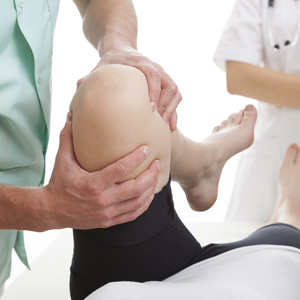
Knee pain can make walking, exercising, working, and everyday activities more difficult. Nonsurgical knee treatments in Colorado Springs can help manage pain, reduce symptoms, improve mobility, and support knee function without immediately turning to surgery. Depending on the underlying condition, treatment may include physical therapy, activity modification, targeted exercises, medications, injections, bracing, and other conservative approaches.
Michael Van Manen, DO provides evaluation and treatment for knee conditions, including arthritis and other orthopaedic problems. As a board-certified orthopaedic surgeon with a practice focus that includes arthritis disease management and general orthopaedics, Dr. Van Manen evaluates the underlying cause of knee pain, the severity of the condition, activity level, and individual treatment goals when recommending an appropriate care plan.
Nonsurgical treatment may be appropriate for many common causes of knee pain, including osteoarthritis, overuse injuries, certain sports injuries, and other degenerative or inflammatory conditions. A personalized treatment plan may combine several approaches to help control symptoms and maintain function. When conservative treatment no longer provides adequate relief, an orthopaedic evaluation can also help determine whether additional treatment, including surgery, should be considered.
What are Nonsurgical Knee Treatments?
The knee is a complex joint that consists of bone, cartilage, ligaments, and tendons that make joint movements easy and at the same time it is more susceptible to various kinds of injuries. Knee problems may arise if any of these structures get injured by overuse or suddenly during sports activities. Injuries to the knee can be caused by degenerative diseases such as arthritis, traumatic injuries, and sports injuries. These conditions may affect the bones & joints and impair mobility as well as the quality of life of the patients. All these conditions require appropriate treatment, may be surgical or non-surgical to restore to normal activities. The non-operative orthopaedic treatment options include non-pharmacological and pharmacological interventions. They are aimed at providing symptomatic relief and improving the quality of life of the patients. They can be used as a treatment option to treat certain conditions or to decrease pain as well as promoting functioning and quality of life after surgical treatment.
Nonpharmacological Intervention
Nonpharmacological interventions may range from simple lifestyle modification or physical exercises and rehabilitation programs. Some of the non-pharmacological interventions include:
Weight reduction and physical exercise - The lifestyle changes resulting in weight loss in obese individuals and doing appropriate physical exercises play an important role in the prevention and management of knee conditions. The optimal weight (BMI) should be 18.5 to 25. BMI of 25-29 is considered overweight and BMI over 30 is considered obese. Exercises are contraindicated in individuals suffering from cardiovascular diseases. Therefore, rigorous exercises are not ideal for all patients and must be individualized for every patient and done under the supervision of a trained professional.
Transcutaneous Electrical Nerve Stimulation
The transcutaneous electrical nerve stimulation (TENS) method involves the use of low-voltage electric impulses to relieve the pain. It is believed to provide pain relief by inhibiting the conduction of pain impulses to reach the receptors in the brain and spinal cord. The patient is made to wear a device and this device generates the impulses that offer pain relief to the patient. The frequency of the impulses, duration of treatment, and location of the electrical electrodes on the body are decided by your physician based on the severity of the condition as well as the response of the patient. Using the device for at least 4 weeks may provide better pain relief. It should not be used by patients having a pacemaker or cochlear implants, or those suffering from epileptic conditions. It should also not be used during pregnancy.
Thermotherapy
Thermotherapy involves the application of hot or cold packs at the affected area. There is some evidence to support the use of cold therapy in providing symptomatic relief. It is contraindicated in individuals with thermoregulatory impairments. Individuals having peripheral vascular disease, diabetes, cardiovascular disease, and hypertension, or who are pregnant should use it with caution.
Acupuncture
This method involves the insertion of sterile needles into specific acupuncture points or pressure points. It is believed that the insertion of needles at specific points restores the flow of “qi”, a form of energy, and thereby relieves the pain. A modification in acupuncture is electro-acupuncture where the needles are stimulated by an electrostimulator. Acupuncture performed by trained professionals is considered to be safe and offers pain relief. However, it may have certain risks if treated by untrained professionals.
Patellar Taping
Patellar taping is used as a short-term treatment particularly when performing normal activities deteriorates the knee condition. The principle behind the treatment is the stabilization of the knee joint by altering the distribution of stress and joint pressure. The response depends on the strapping technique used and the time for which it is strapped.
Massage Therapy
It is one of the oldest methods of treatment and reduces pain by increasing the circulation of blood and lymph as well by reduction of muscle tension or because of the therapeutic effect of the touch.
Pharmacological Interventions
Pharmacological interventions include the management of pain using medicinal preparations such as pain-relieving capsules or injections.
Nonsteroidal Anti-Inflammatory Drugs
These are known as NSAIDs and are found to be effective in reducing pain and inflammation of the knee. Caution must be taken while using NSAIDs for overdosing as they are known to cause hepatotoxicity. Patients with liver diseases must take extreme care while using them. They can cause a range of side effects, chances of which increase with the concomitant use of diuretics, angiotensin-converting enzyme inhibitors, angiotensin 2 receptor blockers, anticoagulants, or oral corticosteroids.
Steroid Injections
These injections of steroids are given directly into the affected joint for severe pain when the use of NSAIDs does not bring much relief. Steroids are very strong anti-inflammatory drugs and if used orally cause various side effects on other body systems. Local analgesics that prevent the sensation of pain are sometimes given along with steroids in the same shot to bring relief quickly.
Weak and Strong Opioids
Opioids are prescribed when the use of analgesic medications or NSAIDs does not offer symptomatic pain relief, if other treatments have intolerable side effects or when surgery is delayed or contraindicated. Though they offer better pain relief than NSAID’s they are known to cause side effects such as dry mouth, nausea, vomiting, dizziness, and constipation. Overdose may lead to respiratory depression. The dose is reduced slowly otherwise it can cause withdrawal effects. Opioids are also known for addiction and should be used in the short term as directed.
Disease-Modifying Anti-Rheumatic Drugs and Biological Agents
Disease-modifying anti-rheumatic drugs (DMARDs) aim at halting the progression of the disease and offer symptomatic relief. Biological agents are the antibodies against the disease-causing agents manufactured using genetic engineering technology. These agents are recommended in individuals with severe disease conditions. Other treatments – Your physician may recommend the use of braces and orthoses, prescribe chondroitin sulfate, electromagnetic therapy, vitamin supplements, herbal, and other dietary therapies.
Discuss with your physician about these therapeutic options before initiating the treatment.
Why Choose Dr. Michael Van Manen, DO for Nonsurgical Knee Treatments in Colorado Springs?
Not every knee condition requires surgery. The appropriate treatment depends on the underlying cause of the pain, the severity of the condition, the patient's activity level, overall health, and response to previous treatments. Dr. Michael Van Manen, DO, is a board-certified orthopaedic surgeon serving patients in Colorado Springs with experience in general orthopaedics, arthritis disease management, knee replacement, and fracture care.
Dr. Van Manen takes an individualized approach to knee care, helping patients understand their diagnosis and available treatment options. When appropriate, nonsurgical treatment can be used to manage symptoms and maintain mobility, potentially delaying or avoiding surgery in selected patients.
Nonsurgical knee care may include:
- Physical therapy and therapeutic exercises
- Activity modification
- Weight management when appropriate
- Medications for pain and inflammation
- Joint injections when indicated
- Bracing or orthotic support
- Ice or heat therapy
- Home exercise programs
- Evaluation and treatment of underlying arthritis
- Ongoing monitoring of symptoms and function
If symptoms continue despite conservative treatment, Dr. Van Manen can evaluate whether other treatment options may be appropriate.
Nonsurgical Knee Treatments FAQs
What are nonsurgical knee treatments?
Nonsurgical knee treatments are approaches used to manage knee pain and improve function without an operation. Depending on the diagnosis, treatment may include physical therapy, exercise, activity modification, medications, injections, bracing, and other conservative measures.
What conditions can be treated without knee surgery?
Many knee conditions can initially be managed without surgery, including osteoarthritis, certain overuse injuries, some sports-related injuries, inflammation, and other causes of knee pain. The appropriate treatment depends on the specific diagnosis.
When should I consider nonsurgical treatment for knee pain?
Nonsurgical treatment may be considered when knee pain is caused by a condition that can reasonably be managed conservatively or when symptoms are not severe enough to require surgery. An orthopaedic evaluation can help determine which options are appropriate.
Can physical therapy help knee pain?
Physical therapy can help improve strength, flexibility, range of motion, balance, and overall knee function. A therapist can develop exercises based on the patient's condition and functional goals.
Can exercise make knee arthritis worse?
Not necessarily. Appropriate, low-impact exercise can help maintain strength and mobility in people with knee arthritis. However, exercises should be individualized, particularly when pain is significant or another knee condition is present.
Can losing weight help with knee pain?
For patients who are overweight, weight reduction may reduce stress placed on the knee and can be part of an overall treatment plan for knee osteoarthritis. A physician can help determine whether weight management may benefit your knee health.
What medications are used for knee pain?
Depending on the underlying condition and a patient's medical history, medications may include acetaminophen, nonsteroidal anti-inflammatory drugs (NSAIDs), or other prescription treatments. Medication choices should be discussed with a healthcare professional because some medications are not appropriate for everyone.
Are steroid injections an option for knee arthritis?
Corticosteroid injections may provide temporary relief of pain and inflammation for some patients with knee arthritis or other inflammatory knee conditions. Whether an injection is appropriate depends on the diagnosis and individual circumstances.
What is the role of knee braces?
A knee brace may provide support, stability, or help modify the forces placed on the knee in certain conditions. The type of brace and whether it is appropriate depend on the underlying problem.
Can nonsurgical treatment prevent knee replacement?
Nonsurgical treatment cannot guarantee that knee replacement will never be necessary. However, for some patients, conservative treatment can effectively manage symptoms and maintain function. If arthritis progresses or symptoms become severe despite appropriate treatment, knee replacement may eventually be considered.
How long should I try nonsurgical treatment before considering surgery?
There is no single timeframe that applies to everyone. The appropriate duration depends on your diagnosis, severity of symptoms, response to treatment, functional limitations, and overall health. Your orthopaedic surgeon can help determine when it may be appropriate to consider another treatment option.
Can knee injections replace physical therapy?
Injections and physical therapy serve different purposes and may sometimes be used together. An injection may help reduce pain or inflammation, while physical therapy can address strength, flexibility, mobility, and functional limitations.
Are opioids recommended for chronic knee pain?
Opioids are generally not a first-line treatment for chronic knee pain because of their potential risks, including dependence, tolerance, and other side effects. Treatment should focus on the underlying cause and safer evidence-based options when possible.
When should I see an orthopaedic surgeon for knee pain?
Consider an orthopaedic evaluation if knee pain persists, interferes with daily activities, limits mobility, or does not improve with appropriate self-care. An evaluation can help identify the cause and determine whether nonsurgical treatment or another approach is appropriate.
Schedule a Nonsurgical Knee Treatment Consultation in Colorado Springs
You do not necessarily have to live with persistent knee pain or assume that surgery is your only option. A comprehensive orthopaedic evaluation can help identify the source of your symptoms and determine whether conservative treatment may improve your mobility and quality of life.
Contact Dr. Michael Van Manen, DO, in Colorado Springs, Colorado, to discuss nonsurgical treatment options for knee pain and arthritis. Your treatment plan can be tailored to your diagnosis, symptoms, activity level, and individual goals, with surgical options considered when conservative care is no longer sufficient.
Schedule an Appointment
Our team is here to answer your questions and help you find the right treatment for your condition.